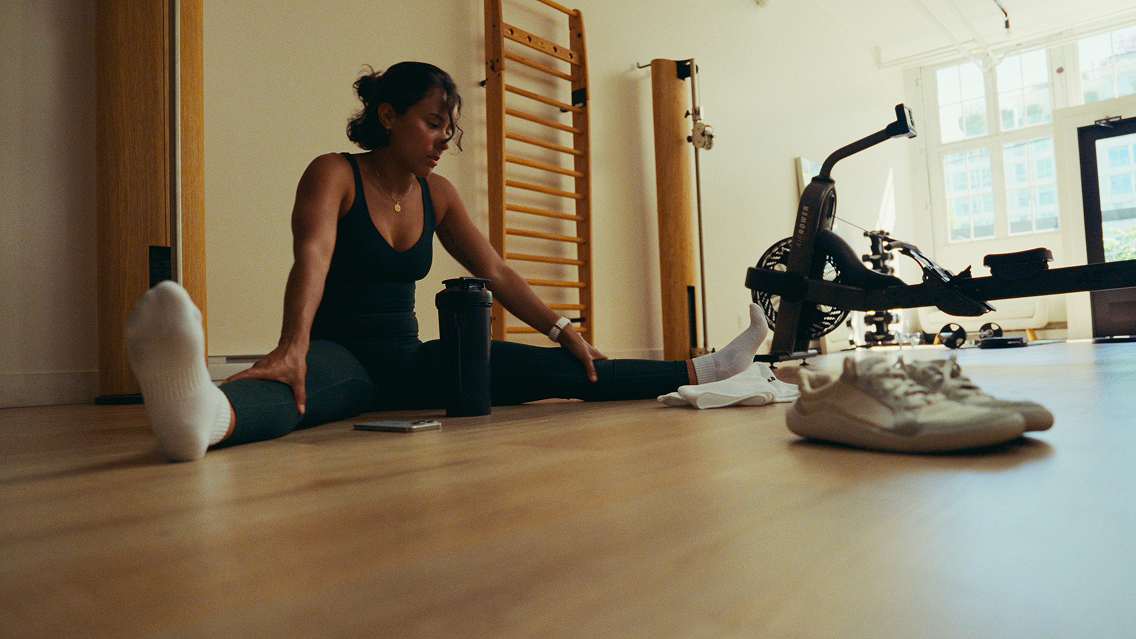
Have you ever heard the expression abs are made in the kitchen?
If you’ve been going hard at the gym trying to build muscle and not seeing the results you want you might want to consider looking at your diet. Not only can looking at what you eat help you build lean mass it can also aid in post workout recovery!
Read on for nutrition tips specific to strength training, then log your eats in Cronometer to see how your diet stacks up.
Pay Attention to Calories
It’s important to consume adequate calories when you’re focusing on muscle building because being in a caloric deficit can make it harder to gain lean muscle. Determine your caloric needs based on your unique metrics to make sure that you’re getting enough energy by entering your details into Cronometer.
Your Ideal Macros
Ideally, if you’re looking to make gains with strength training it’s recommended you consume between 1.2 to 2 grams of protein per 1 kilogram of body weight.
Carbohydrates consumption should be between 5 to 12 grams per 1 kilogram on average. For those gym rats logging more than 12 hours a week you should be on the upward side (try for 8 to 10 grams per 1 kilogram) on training days.
Paying attention to your carbohydrate and protein intake will not only help you stay energized throughout your workout, but will also help you recover post-workout as well.
Optimal Timing
Now that you know how much to have you might wonder when you should have it.
One study showed that a small quantity of protein ingested before a workout session aids protein assimilation – the process of your body absorbing proteins – which benefitted recovery. Mixing with carbohydrates will give you the fuel you need to push. So, grab a light snack like a small chicken and veggie wrap before you head to the gym.
Endurance athletes need to refill their glycogen stores while exercising (check out our article on How Nutrition Can Improve Endurance), but strength training athletes should only focus on hydration unless their workouts are extending beyond the hour limit.It’s up in the air about when the best time to replenish your macros is after you sweat – some research indicates consuming protein 30 minutes after and some say within a 3 hour window will suffice.
Regardless of the timing, make sure you’re hitting your macronutrient goals on days you strength train to stay on your A game.
References
For more details behind these recommendations and more information for competitive athletes check out these sources:
Dietary Protein and Muscle Mass: Translating Science to Application and Health Benefit
https://www.mdpi.com/2072-6643/11/5/1136
International society of sports nutrition position stand: nutrient timing
https://www.tandfonline.com/doi/full/10.1186/s12970-017-0189-4