What if you are eating all the right foods, tracking your micronutrients, and still feeling off?
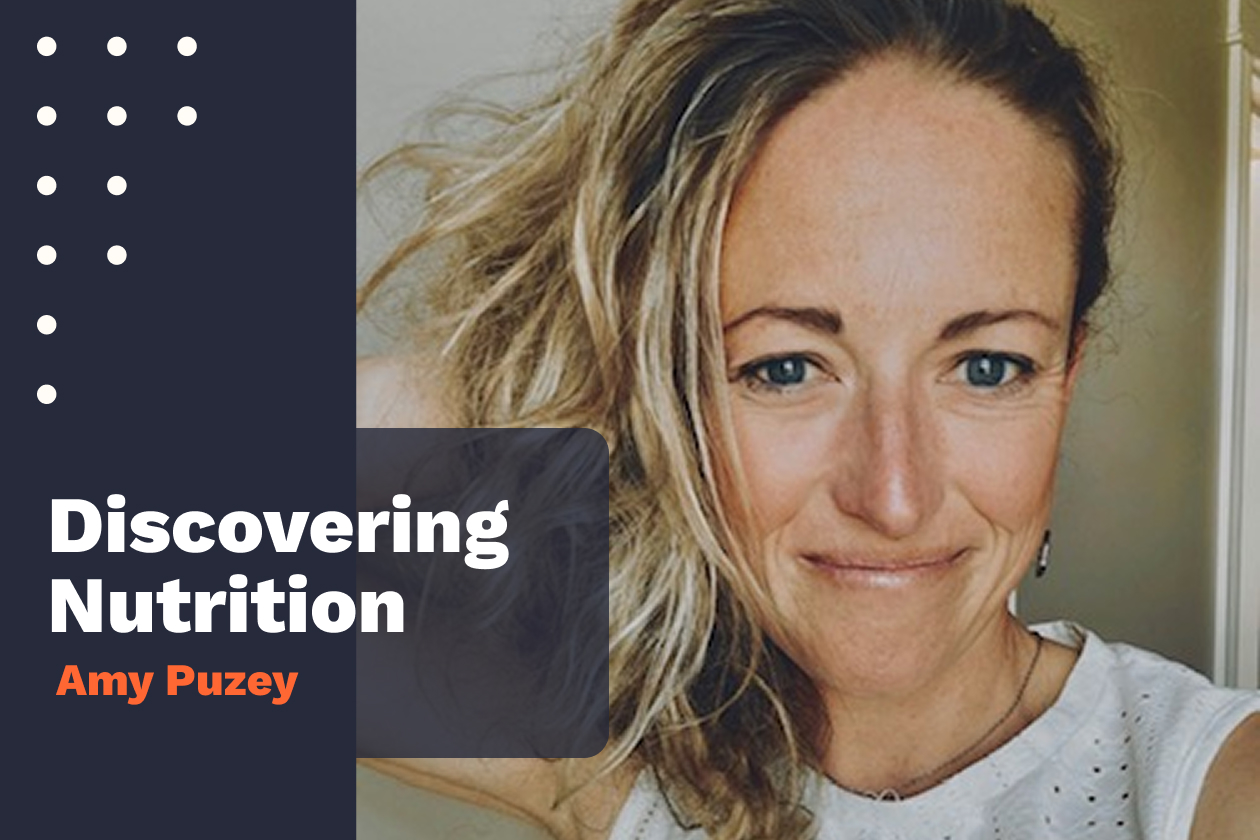
In this episode of Discovering Nutrition, Eliisa sits down with holistic nutritionist, researcher, and founder of Good Phyte, Amy Puzey, to unpack a topic most of us were never taught: phytate.
Found in grains, legumes, nuts, and seeds, phytate can bind to essential minerals like iron, zinc, magnesium, and calcium, potentially limiting how much your body actually absorbs. For athletes, plant-forward eaters, women navigating perimenopause, and anyone focused on performance and longevity, this conversation adds an entirely new layer to nutrient tracking.
Amy shares how traditional food preparation methods like fermentation and soaking influence mineral bioavailability, why absorption may matter more than intake, and how the enzyme phytase could play a role in optimizing nutrient status.
Plus, exciting news: phytate tracking is now available in Cronometer, giving you deeper insight into not just what you eat, but how well you may be absorbing it.
If you care about data, performance, and truly understanding your nutrition, this episode is for you.
As always, this podcast is for general informational purposes only and is not intended to replace personalized medical advice.
Key Notes:
- Absorption can be the missing link: Phytate in grains, legumes, nuts, and seeds can bind minerals, so hitting targets in your Diary does not always mean you are absorbing them.
- Big players impacted: Iron and zinc are especially affected, which can show up as low energy, performance issues, or immune struggles (even with “good” intake).
- Who should pay extra attention: Plant-forward eaters, endurance athletes, people with gut issues, pregnancy, and aging can have higher risk of falling short on absorption.
- What helps: Traditional prep (soaking, sprouting, fermenting, sourdough) or phytase can reduce phytate’s mineral-binding effect.
- New Cronometer layer: Phytate tracking is now available, adding context to micronutrient targets by showing a factor that may influence bioavailability.