A New Era of Metabolic Health Starts With Better Nutrition Insight
Metabolic health is becoming one of the most important conversations in modern healthcare.
As rates of type 2 diabetes and chronic disease continue to rise globally, healthcare professionals, researchers, and individuals alike are looking beyond symptom management toward more proactive, lifestyle-driven approaches to long-term health.
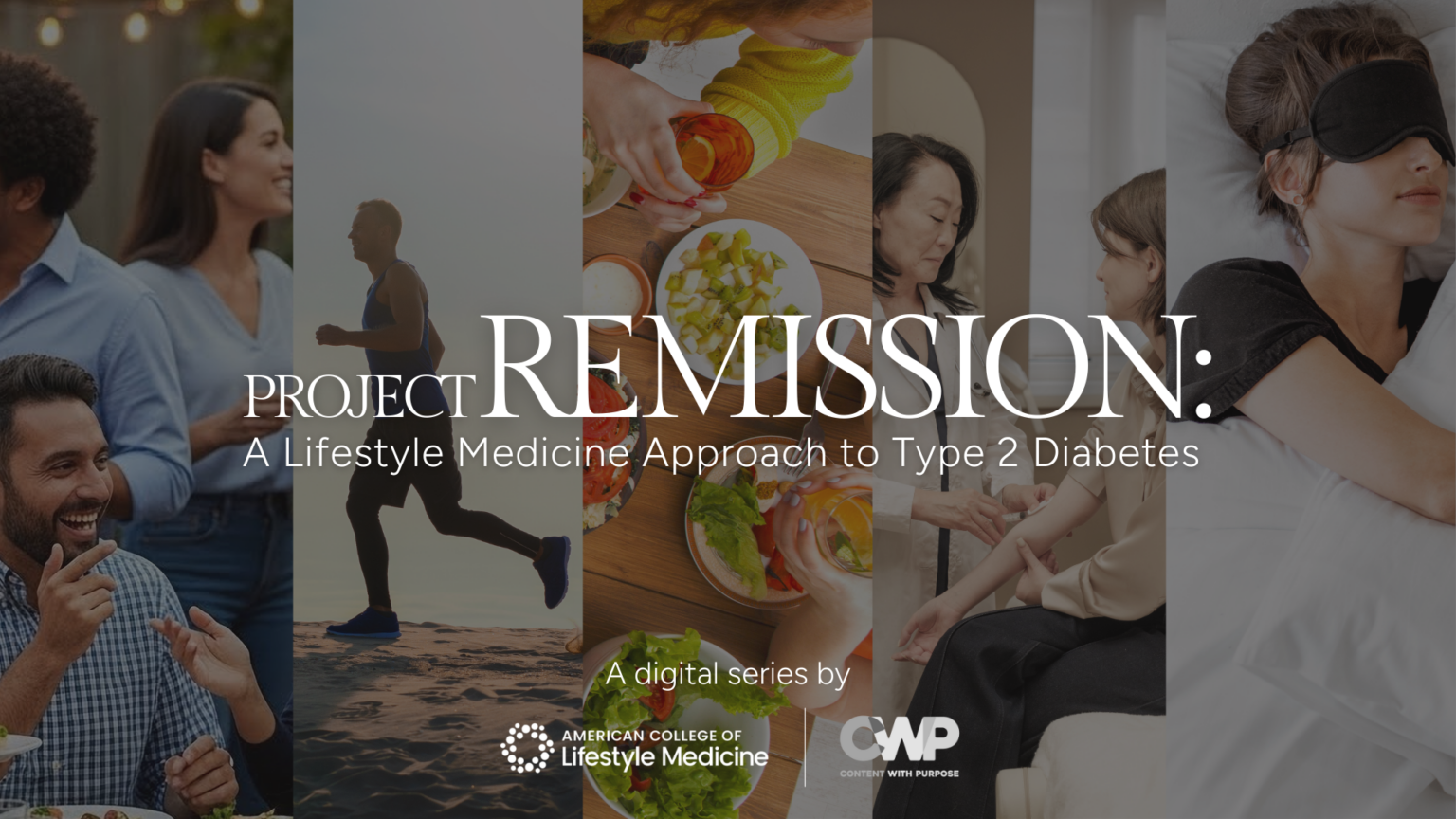
That’s why Cronometer is proud to partner with the American College of Lifestyle Medicine and Content With Purpose on Project Remission, a global documentary series exploring the future of lifestyle medicine, metabolic health, nutrition, and type 2 diabetes remission.
This initiative brings together clinicians, health leaders, patients, and technology partners to spotlight how personalized nutrition, lifestyle interventions, and data-driven health tools are helping reshape conversations around chronic disease care.
What Is Project Remission?
Project Remission is a global storytelling initiative developed in collaboration with the American College of Lifestyle Medicine and produced by Content With Purpose. The series explores how evidence-based lifestyle medicine approaches, including nutrition, movement, sleep, stress management, and behavioural support, are helping drive new conversations around metabolic health and type 2 diabetes remission.
Through documentary-style storytelling, Project Remission highlights the clinicians, researchers, organizations, and technologies helping push healthcare toward a more preventative and personalized future.
Explore the official initiative here:
Why Metabolic Health Matters More Than Ever
Metabolic health is no longer a niche healthcare topic.
People are becoming increasingly aware of the connection between nutrition and:
- Blood sugar balance
- Energy levels
- Insulin sensitivity
- Cardiometabolic health
- Weight management
- Inflammation
- Long-term chronic disease risk
At the same time, healthcare practitioners are recognizing that sustainable lifestyle change requires tools that help patients translate nutrition science into practical, everyday action. This is where personalized nutrition tracking and nutrition data visibility become incredibly powerful.

Why Cronometer Joined Project Remission
At Cronometer, our mission has always been to help people better understand the relationship between nutrition and health.
While many nutrition apps focus primarily on calorie tracking, Cronometer was built to provide deeper nutritional insight, helping users and healthcare professionals better understand the full picture of dietary intake and metabolic health.
Our platform provides detailed tracking for:
- Micronutrients
- Protein intake
- Fiber consumption
- Biometrics and wearable integrations including CGMs
- Personalized nutrition trends
- Custom health tracking metrics
For individuals focused on improving metabolic health outcomes, this level of insight can support greater awareness, consistency, and accountability over time.
Project Remission aligns closely with our belief that nutrition literacy and personalized data can help empower healthier lifestyle decisions.
Featured Project Remission Films
Exploring the Future of Lifestyle Medicine and Metabolic Health
Through our partnership with Project Remission, Cronometer is featured in a series of films exploring how nutrition awareness, metabolic health education, and lifestyle medicine are reshaping chronic disease conversations.
Why Evidence-Based Nutrition Tracking Matters
Lifestyle medicine continues to gain momentum across healthcare systems worldwide. The field focuses on evidence-based lifestyle interventions designed to help prevent, manage, and potentially improve chronic disease outcomes. But one of the biggest challenges in long-term behavior change is sustainability.
Most people understand that nutrition matters, but understanding how daily habits influence long-term metabolic health is often much harder. Detailed nutrition tracking can help bridge that gap.
By making nutrition data more visible and actionable, individuals can better:
- Understand eating patterns
- Identify nutrient gaps
- Improve dietary consistency
- Build healthier habits over time
- Support blood sugar awareness
- Track progress toward health goals
For healthcare practitioners, nutrition data visibility can also create more informed conversations around lifestyle interventions and patient behavior change.
The future of healthcare is increasingly personalized and nutrition data plays an important role in that evolution.

The Future of Metabolic Health Is Personalized
Healthcare is entering a more personalized era.
Patients increasingly want:
- Better nutrition literacy
- More preventative approaches
- Personalized health insights
- Tools that support daily decision-making
- Greater ownership over long-term wellness
At the same time, clinicians and lifestyle medicine practitioners are looking for solutions that help bridge the gap between recommendations and real-world implementation.
Project Remission helps spotlight that evolution.
And at Cronometer, we’re proud to support a future where nutrition awareness, lifestyle medicine, and better health data help empower healthier lives.
FAQs
What is Project Remission?
Project Remission is a documentary-style digital series created by the American College of Lifestyle Medicine in partnership with Content With Purpose exploring evidence-based lifestyle medicine approaches to type 2 diabetes remission and metabolic health.
What is lifestyle medicine?
Lifestyle medicine is a medical discipline that uses evidence-based lifestyle interventions including nutrition, physical activity, sleep, stress management, and behavioural support to help prevent, manage, and improve chronic disease outcomes.
How does nutrition affect metabolic health?
Nutrition plays a central role in metabolic health by influencing blood sugar regulation, insulin sensitivity, inflammation, cardiovascular health, energy balance, and overall chronic disease risk.
Can nutrition tracking support metabolic health goals?
Nutrition tracking can help individuals build awareness around eating habits, nutrient intake, meal quality, and consistency all of which may support healthier long-term lifestyle behaviors and metabolic health goals.
Why is metabolic health important?
Metabolic health is closely connected to energy regulation, cardiovascular function, chronic disease prevention, and overall long-term wellbeing.