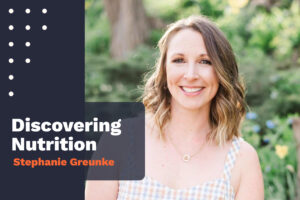

Episode 42: Pregnancy, Postpartum, and Perimenopause Nutrition Explained with Stephanie Greunke
In this episode of Discovering Nutrition, Eliisa sits down with

BLOG
Your source for science-backed nutrition info and the latest Cronometer updates.

In this episode of Discovering Nutrition, Eliisa sits down with

Learn how the gut controls the immune system through GALT, gut bacteria, and fiber-driven metabolites that regulate inflammation and immune balance.

In this episode of Discovering Nutrition, Eliisa sits down with

Key Takeaways
• Eating “healthy” doesn’t guarantee immunity
Immune health depends on how well your body uses nutrients, not just whether you consume them.
• Absorption matters more than totals
Compounds like phytates can block key minerals (such as zinc and calcium), meaning your intake may not reflect what your immune system actually receives.
• Fiber diversity trains your immune system
Different fibers serve different roles, microbial balance and gut barrier support both matter for immune readiness.
• Immunity is a maintenance system, not a quick fix
One “superfood” won’t compensate for inconsistent dietary patterns; immune resilience is built daily.
• Your gut is the immune command center
With most immune cells residing in the gut, consistent nutrition patterns shape how your body responds to stress, illness, and inflammation.

What if you are eating all the right foods,

Key Takeaways
• Calcium intake does not equal calcium absorption. Your body can only absorb a portion of the calcium you eat due to bioavailability limits in the digestive system.
• Plant compounds like phytates and oxalates block calcium absorption. These “anti-nutrients” bind to calcium in the gut, reducing how much your body can actually use.
• Food context matters more than label totals. Two foods with the same calcium content can deliver very different health outcomes depending on inhibitors and nutrient interactions.
• Tracking totals alone misses the real story. Understanding absorption and nutrient interactions is essential for long-term bone, immune, and metabolic health.
• Nutrition literacy turns data into better decisions. When you understand bioavailability, you stop guessing and start choosing foods that your body can actually use.

We’re Donating 50% Of Canadian Proceeds Sold On Valentine’s Day

Valentine’s Day is the ultimate celebration of indulgence, rich chocolates, decanted wines, and multi-course dinners. While these moments are vital for our social and emotional well-being, the “post-holiday slump” often triggers a cycle of guilt and restrictive dieting.
The truth is, a diet that lasts isn’t built on the back of a February 15th detox. It’s built on sustainable nutrition frameworks that bridge the gap between enjoying a heart-shaped truffle and maintaining metabolic health. To truly “level-up,” we need to move beyond calorie counting and start looking at the data that fuels longevity.